Blog
Merchandising is one of those disciplines that's easy to underestimate and expensive to get wrong. These posts are my attempt to make it more accessible - for founders building their first range, creative directors who want to understand the commercial side better, and anyone curious about how fashion actually works behind the scenes.
Most fashion brands report on their season. The best ones trade it.
Most fashion brands invest enormous energy in planning and buying. And then the season starts, and they stop actively managing what they've built. They report on it, review it, and express concern about it. But they don't trade it. This post covers the three things that separate brands that trade from brands that just report: the weekly discipline, the KPIs that actually matter, and the mindset that makes in-season decisions fast enough to matter.
How to build a merchandising function from scratch
Most fashion brands build their merchandising function too late. By the time the problem is obvious: excess stock, broken size ratios, a buy that doesn't reflect what's actually selling, the damage is already done. This is the practical guide to building a merchandising function from scratch: the four stages, who to hire first and why, what tools you actually need, and the most common mistakes that set brands back by a season or more.

The engine nobody talks about: why the commercial side of fashion deserves more than a back seat
The commercial side of fashion (merchandising, planning, inventory strategy) is still treated in many businesses as a back-office function. The engine that keeps everything running, but not the thing anyone wants to talk about. After 15 years and six brands, I think that's a mistake. This post makes the case for why creative vision and commercial discipline aren't in competition, why the balance between them is harder to get right than most brands admit, and what it actually costs when the commercial side doesn't get the investment it deserves.

Who really decides what fashion looks like? The case for collection merchandising
Fashion editors are influential, but they work with what's already been made. The collection was built before they saw it. The person who decided which silhouettes to develop, which categories to invest in, and which styles to produce in volume is the collection merchandiser. This post makes the case for why collection merchandising is one of the most powerful - and least talked about - forces shaping what fashion actually looks like.

This is why creative vision needs a commercial backbone
Merchandising has a reputation for saying no to the beautiful thing. That reputation is wrong - or at least, it describes bad merchandising, not the real thing. Working alongside Creative Director Sandra Sandor at Nanushka taught me what it looks like when creative and commercial genuinely work together: two parallel processes, starting from different places, converging into one collection. This post is about what that looks like in practice - and why a good merchandiser is a translator, not a gatekeeper.
Replenishment: the most underrated discipline in fashion retail (and why I love it so much)
Replenishment is the discipline that keeps your brand's promise - making sure the right product is available, at the right place, at full price, every time. In this post I cover the key principles, the data that makes it work, and why I developed such a deep connection to this part of merchandising - from taking over allocation at Swarovski by necessity, to replenishing 200 Pandora stores twice a week by hand, to building a global A&R system at Burberry with Board and PwC.
How to build a fashion collection - from concept to assortment plan
Building a fashion collection involves a thoughtful process that balances creativity with strategy to create a cohesive, marketable, and on-trend line that resonates with the target audience. Here's a step-by-step guide for building a successful fashion collection.

The 5 P’s that power fashion
Merchandising is the commercial engine of a fashion brand - the process that transforms creative ideas into products customers actually buy, at prices they’re willing to pay, in places they shop, promoted in ways that inspire them.
In this post, I’ll look at the 5 P’s of modern merchandising.

Miranda Priestly was right: what The devil wears Prada gets right about merchandising
When Miranda Priestly delivered her now-iconic “cerulean sweater” monologue in The Devil Wears Prada, she wasn’t just serving cinematic drama — she was offering a masterclass in merchandising.
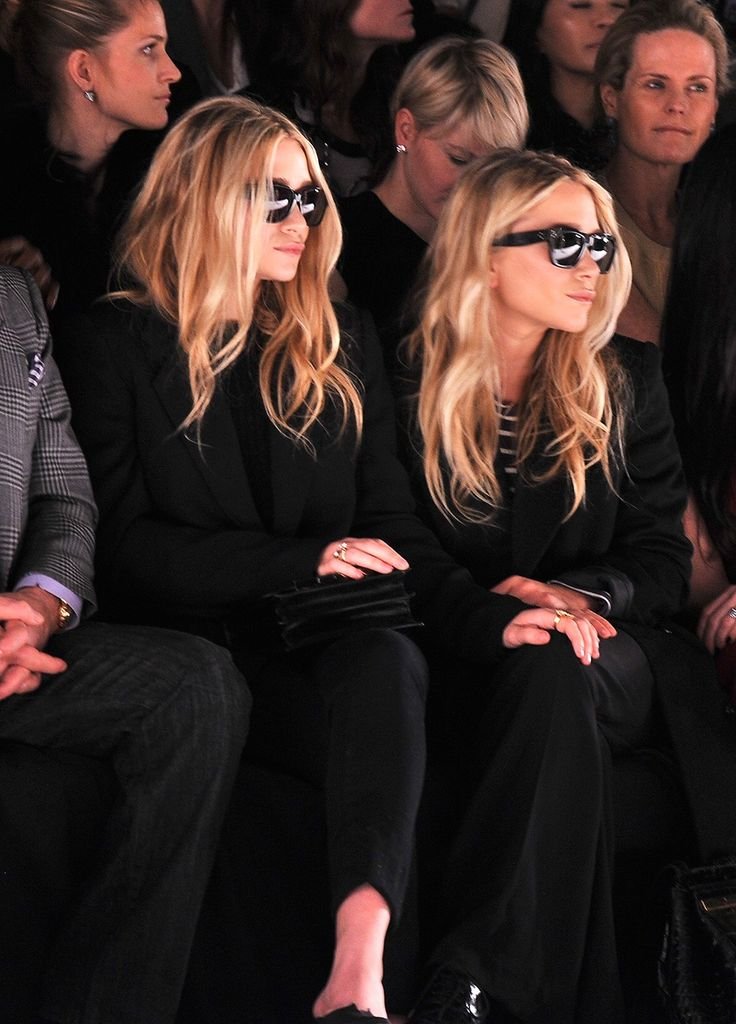
The merchandising team: roles, responsibilities, and how it all fits together
A merchandising team ensures that the right products are available at the right time, in the right quantities, and at the right prices. This post explores the different skills and levels within the Merchandising Team.

Buying, merchandising, and planning: what's the difference?
Although Buying, Merchandising and Planning are strongly interrelated and often overlap, each plays a distinct role in the retail process. This post explores the differences between buying, merchandising, and planning, highlighting their unique responsibilities, skills required, and contributions to the retail business.

Merchandise Planning explained
Merchandise planning is a crucial element in the retail industry, involving the strategic process of selecting, buying, presenting, and managing products to maximise sales and profitability while meeting consumer demand. This comprehensive guide explores the various facets of merchandise planning, its importance, and the key strategies involved in executing an effective merchandise plan.